
Our Work
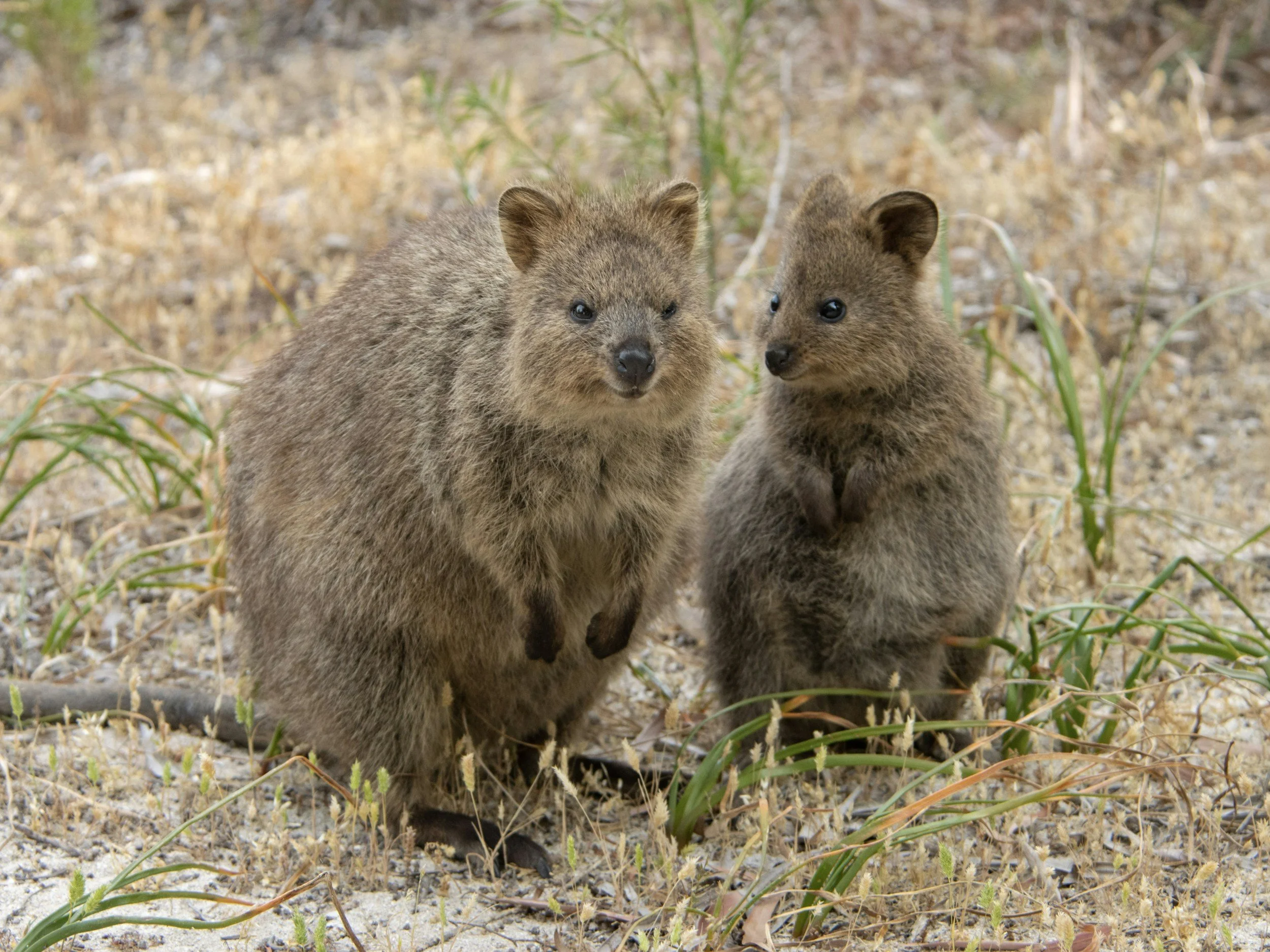
Dedicated care for native wildlife
Margaret River Wildlife Hospital will provide dedicated veterinary care for sick, injured and displaced native wildlife, free of charge.
Working alongside wildlife rescuers, rehabilitators and local vets, we will help animals receive the treatment they need and support
their recovery towards release back into the wild.
Together, we will strengthen the region’s ability to respond to wildlife emergencies and care for the native species that make our south-west so special.
Wildlife rescue and treatment
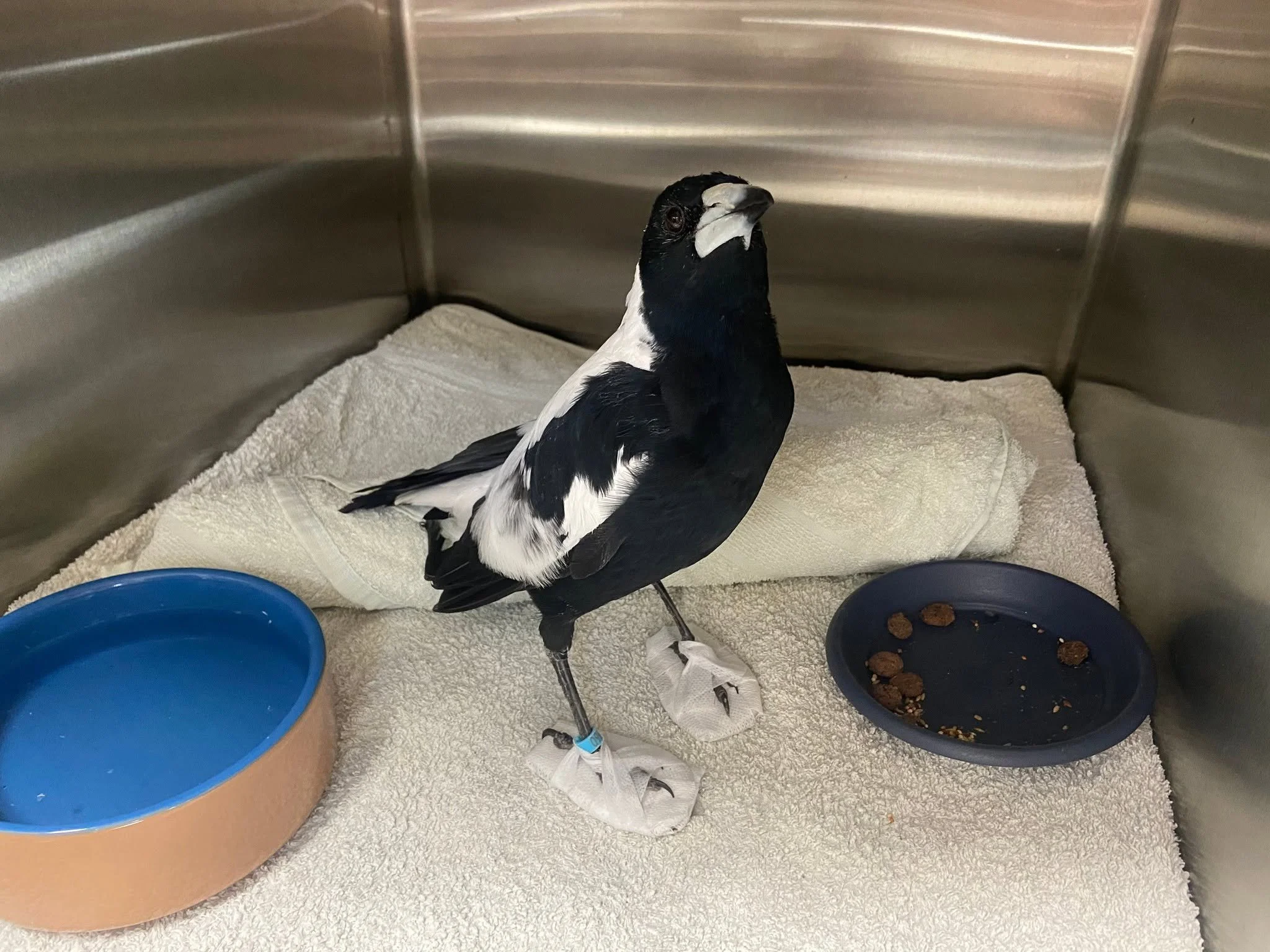
When wildlife is injured or unwell, professional assessment helps determine the care it needs.
Our hospital will provide specialist veterinary care for sick, injured and orphaned native animals
and work with rescuers and rehabilitators who bring them to treatment.
If you find wildlife in need, seek advice before handling or transporting it. Our Wildlife Emergency page explains where to start.
Rehabilitation and release
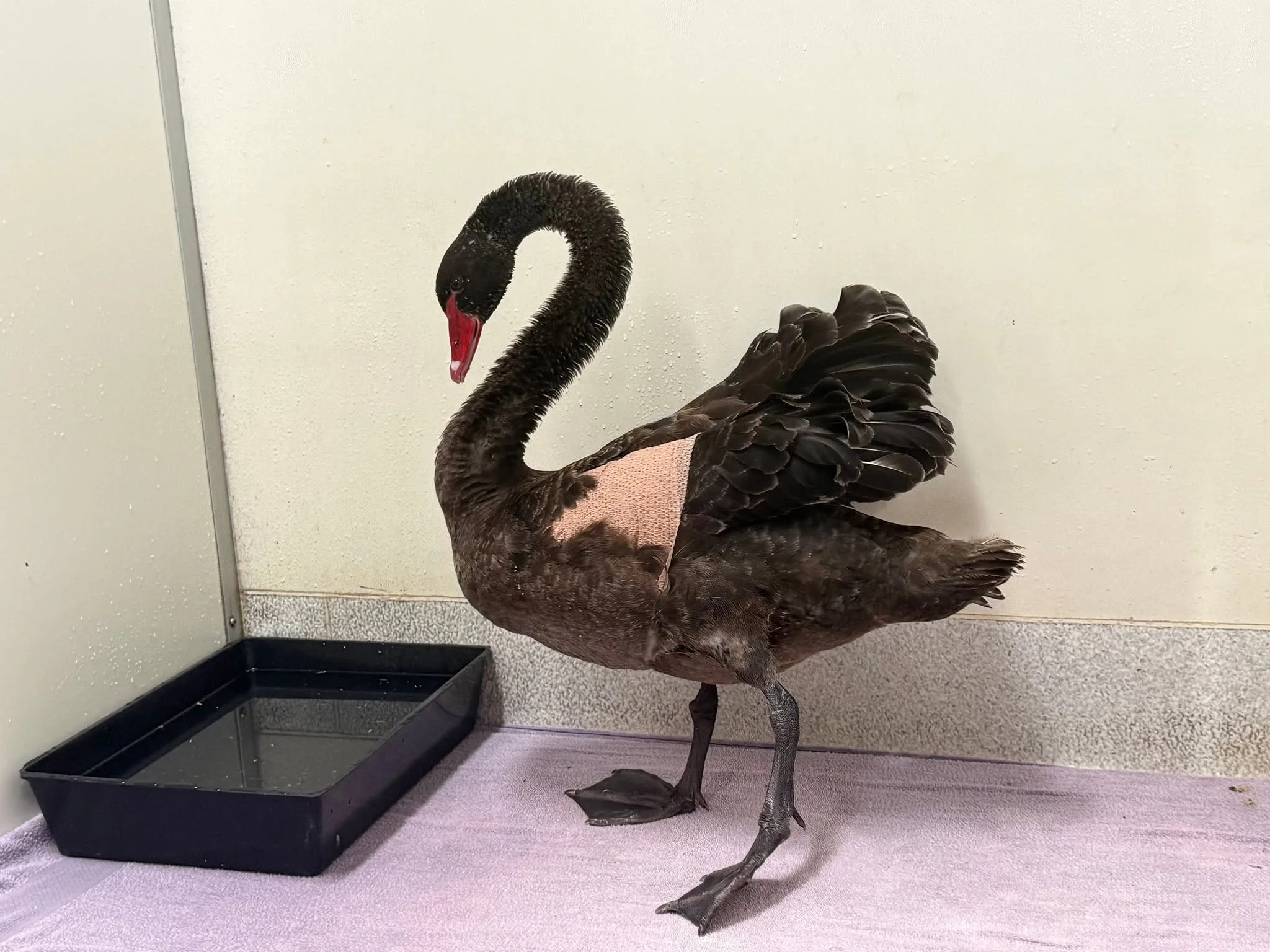
Veterinary treatment is one part of a wildlife patient’s recovery. Animals may also need rehabilitation before they can return to the wild. We will work with the region’s wildlife rehabilitation network to support that journey, with decisions guided by the animal’s welfare and needs.
The hospital will complement WA Wildlife’s Busselton rehabilitation facility, helping connect veterinary treatment with the next stages of care.
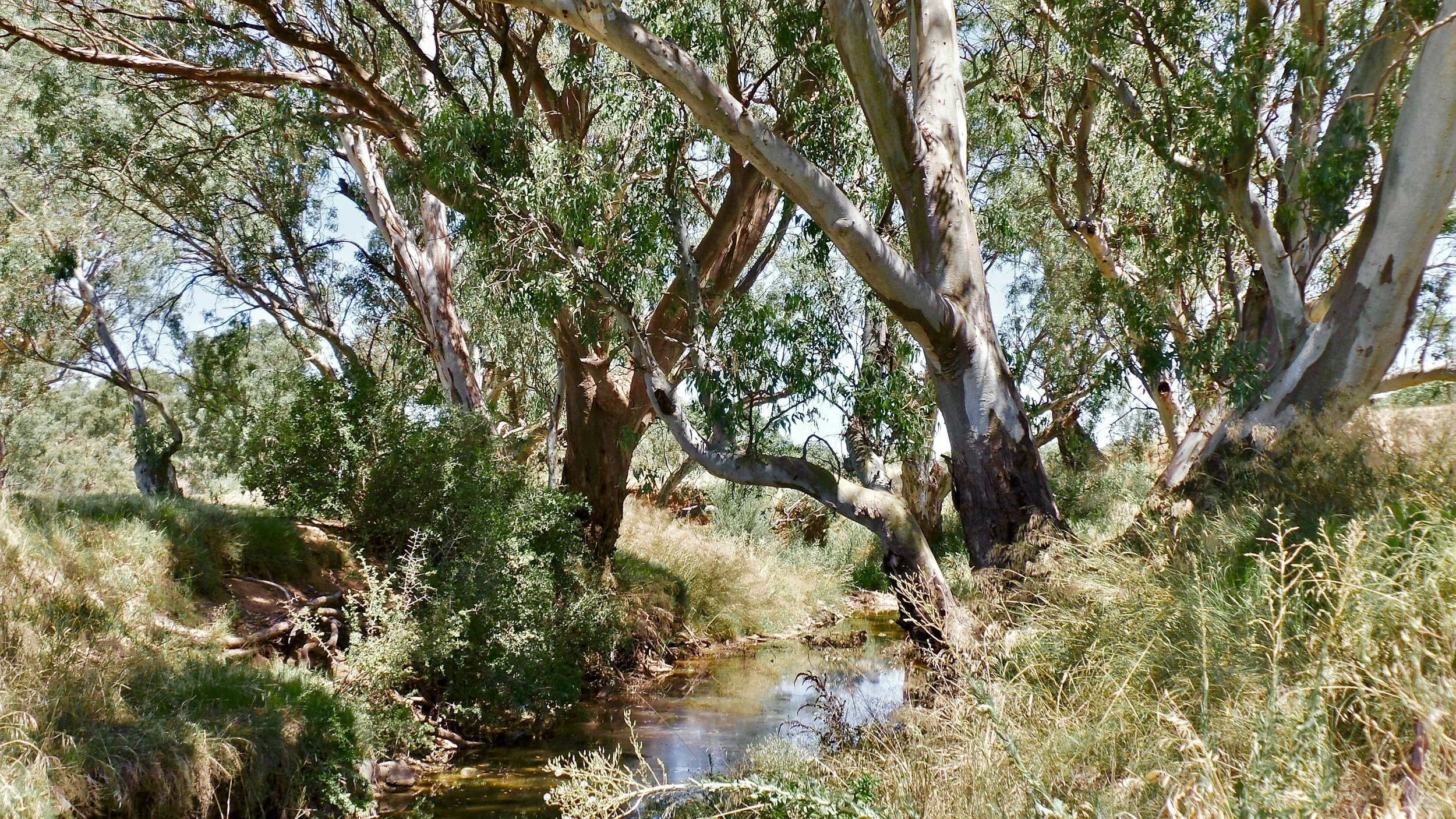
Emergency wildlife response
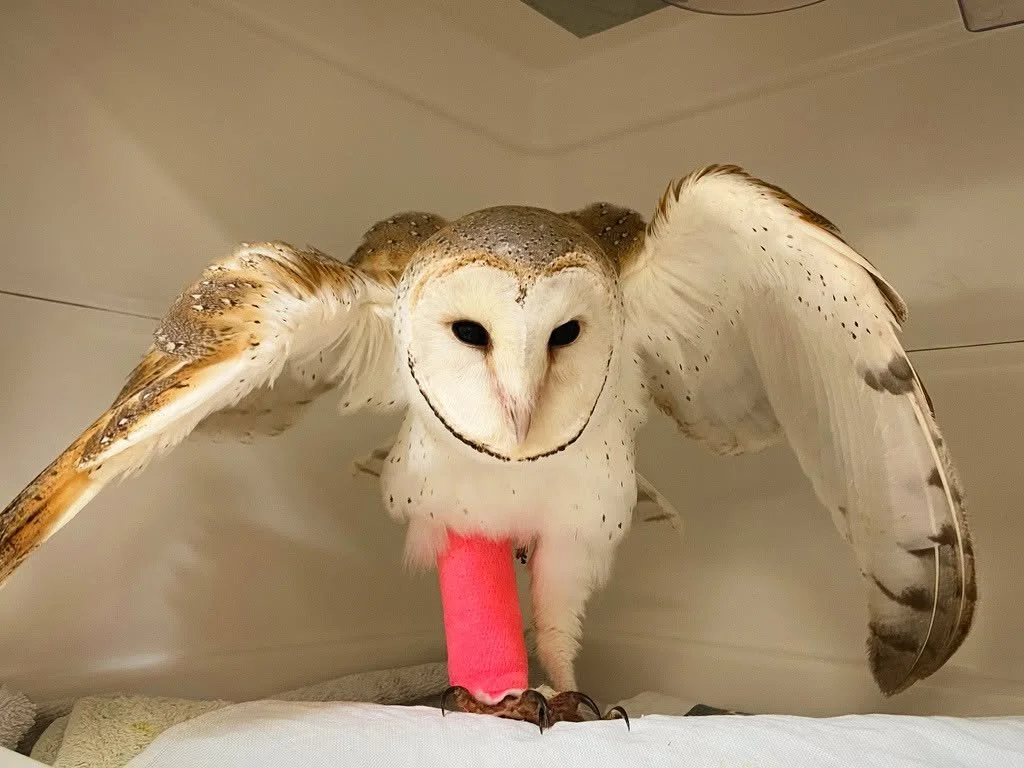
Wildlife emergencies can place sudden pressure on local carers and services.
The hospital will increase regional treatment capacity and support coordinated responses with wildlife organisations and government agencies.
Our dedicated wildlife transport vehicle helps animals access the care they need. We can collect injured wildlife from veterinary clinics and wildlife rescuers, bring animals in rehabilitation to the hospital for veterinary check-ups, and return them to their carers afterwards.
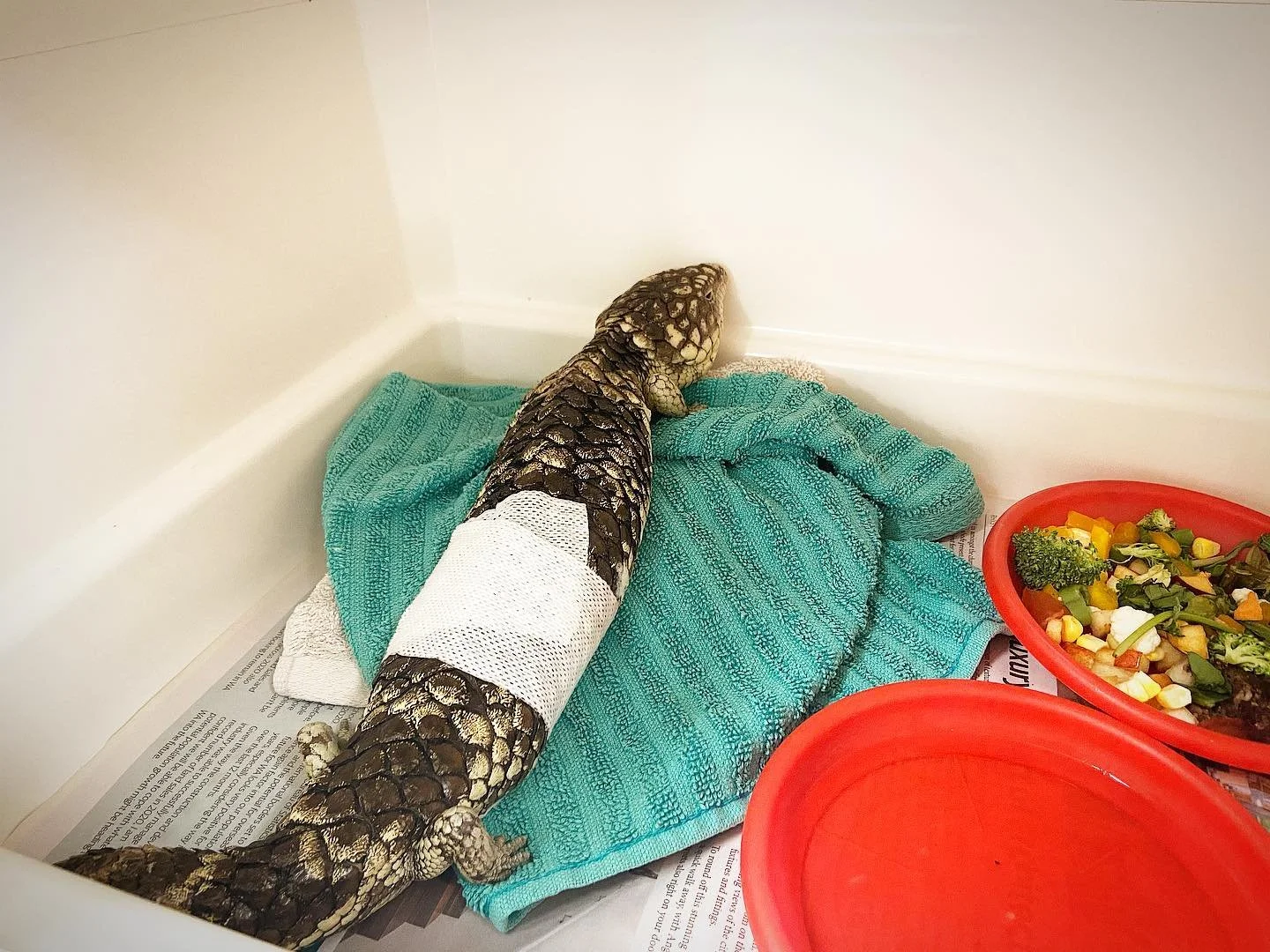
Wildlife disease and biosecurity
Protecting patients, people and other wildlife will be central to hospital care. The hospital will support WA’s bird flu response and work closely with the relevant government agencies. Public reporting of sick or dead wildlife can help authorities identify and respond to disease concerns.
For sick or dead birds and marine mammals, avoid contact and report to 1800 675 888.
Visit our Wildlife Emergency page for guidance and links to current official advice.
Conservation and research
Dedicated care for individual animals also strengthens the support available to native wildlife, including threatened species.
We will share updates on approved conservation and research collaborations as they develop.
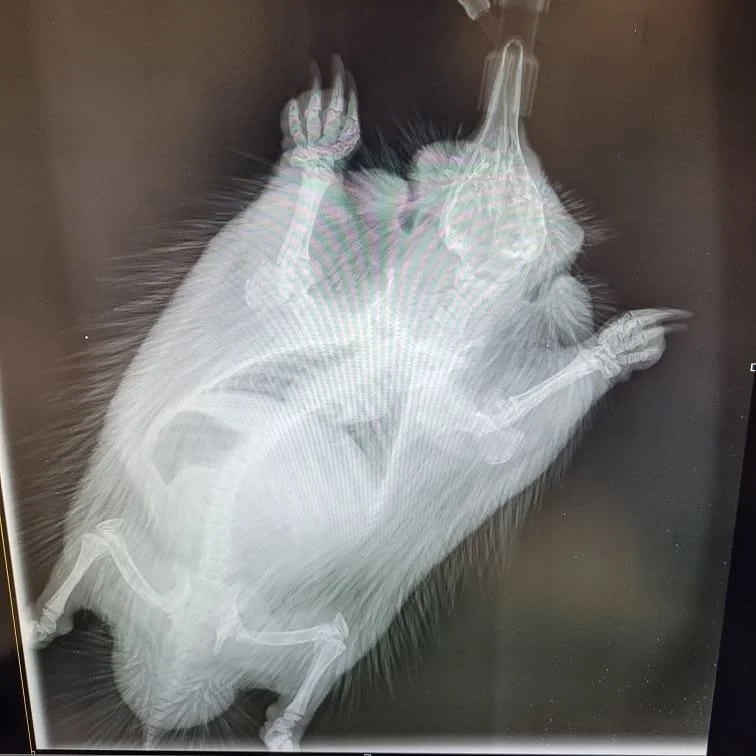
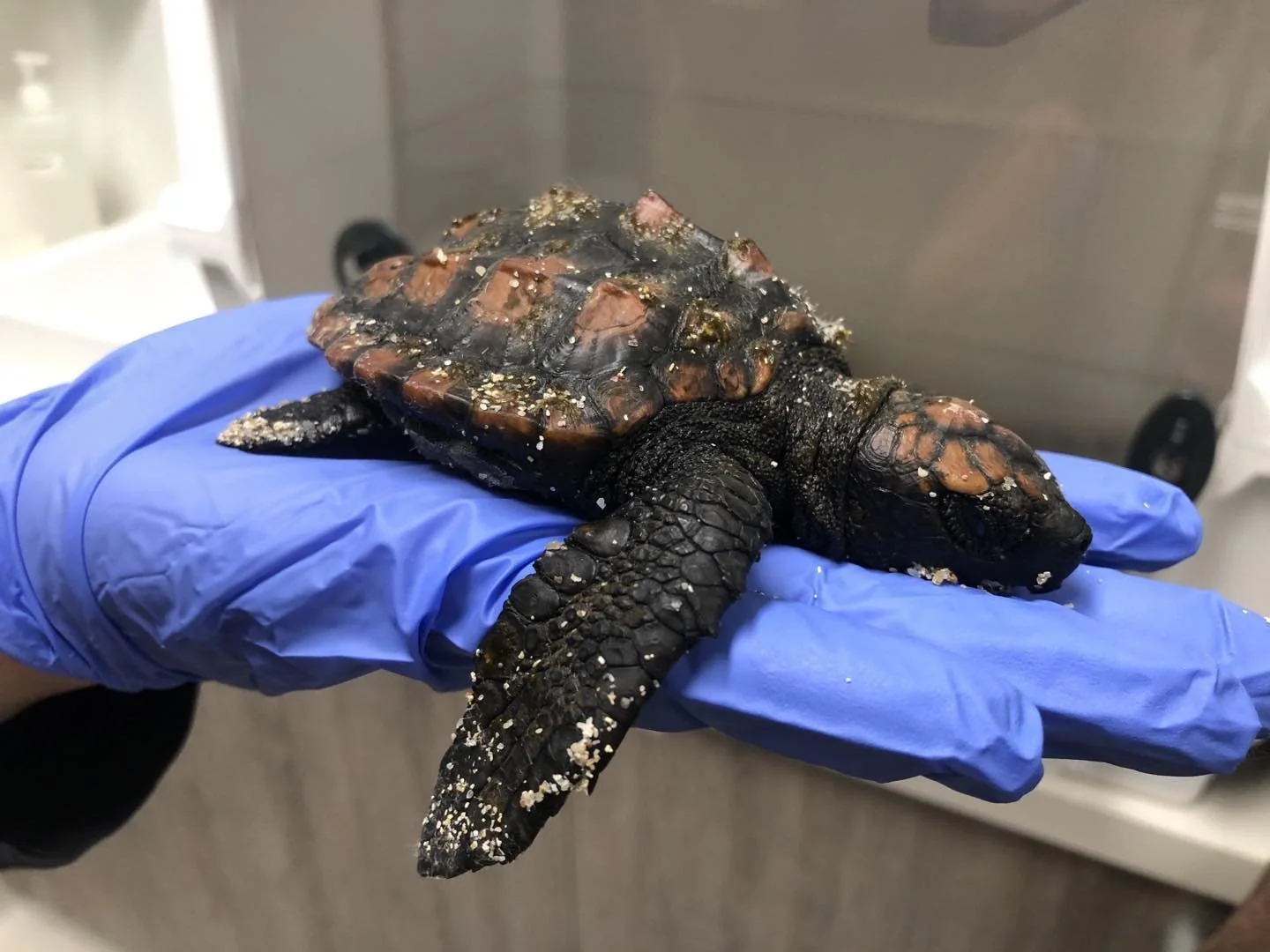
Community Education
Knowing when wildlife needs help, who to call and how to reduce everyday risks can make a difference.
We will share practical advice on living alongside wildlife, from road awareness and responsible pet care to seasonal hazards.